



Coenzyme Q10 (CoQ10) has become one of the most popular supplements for heart health, energy production, and cellular function (1). However, many people wonder whether the timing of their CoQ10 supplement matters for optimal absorption and effectiveness. Understanding when and how to take CoQ10 can significantly impact how well your body utilizes this powerful antioxidant.

Supplements
When to Take CoQ10: Timing and Absorption Strategies
Written by
Medically Reviewed by
January 9, 2026
Table Of Contents
- Understanding CoQ10 and Its Role in the Body
- Best Time of Day to Take CoQ10
- The Critical Importance of Taking CoQ10 With Fat
- Splitting Your Daily Dose
- Ubiquinol vs. Ubiquinone: Does Form Affect Timing?
- Special Timing Considerations
- Maximizing CoQ10 Absorption: Additional Strategies
- How Much CoQ10 Should You Take?
- Signs Your CoQ10 Timing Strategy Is Working
- The Bottom Line on CoQ10 Timing
Understanding CoQ10 and Its Role in the Body
CoQ10 is a naturally occurring compound found in every cell of your body, particularly concentrated in organs with high energy demands like your heart, liver, and kidneys. This antioxidant plays a crucial role in producing adenosine triphosphate (ATP), the primary energy currency of your cells.
As we age, our natural CoQ10 production declines. Studies suggest levels may drop by up to 50% by age 80, though the degree of decline varies between individuals and studies (2, 3). Certain medications, particularly statins used for cholesterol management, can further deplete CoQ10 levels. This makes supplementation increasingly important for many people, especially those over 40 or taking statin medications.
Best Time of Day to Take CoQ10
Morning vs. Evening: What the Research Shows
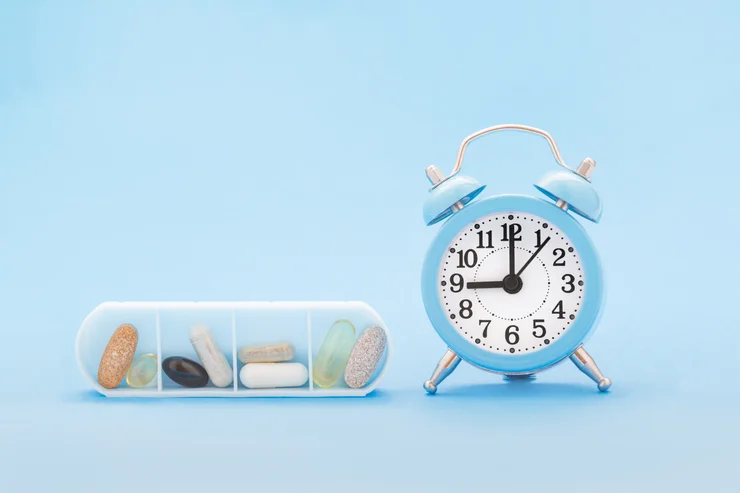
The question of whether to take CoQ10 in the morning or evening doesn't have a definitive answer based on circadian rhythm alone. Unlike melatonin or cortisol-affecting supplements, CoQ10 doesn't directly influence your sleep-wake cycle.
However, many health practitioners recommend taking CoQ10 in the morning or early afternoon for two key reasons. First, since CoQ10 supports cellular energy production, some people report feeling more energized after taking it (4). Taking it earlier in the day allows you to benefit from this potential energy boost when you need it most. Second, establishing a consistent morning routine makes it easier to remember your daily dose.
That said, if you experience any digestive discomfort or if morning supplementation doesn't fit your schedule, evening intake is perfectly acceptable. The most important factor is consistency rather than the specific time of day.
The Critical Importance of Taking CoQ10 With Fat
Here's where timing truly matters: CoQ10 is a fat-soluble compound, which means it requires dietary fat for proper absorption. This is the single most important factor in CoQ10 supplementation effectiveness.
Why Fat Matters for CoQ10 Absorption
Studies have shown that taking CoQ10 with a fat-containing meal can increase absorption compared to taking it on an empty stomach (3). Without adequate fat present, much of your CoQ10 supplement simply passes through your digestive system unused, making your supplementation far less cost-effective.
Optimal Fat Sources for CoQ10 Absorption
You don't need a super high-fat meal to improve CoQ10 absorption. Including approximately 10-15 grams of healthy fats with your supplement is sufficient. Good options include:
- A tablespoon of olive oil, coconut oil, or avocado oil
- A handful of nuts like almonds, walnuts, or cashews
- Half an avocado
- Full-fat yogurt
- Fatty fish like salmon or mackerel
- Eggs cooked in ghee or oil
- Nut butter
Many people find success taking their CoQ10 supplement with breakfast, as this meal often naturally contains fats from foods like eggs, avocado toast, or yogurt.
Splitting Your Daily Dose
Should You Divide Your CoQ10 Throughout the Day?
If you're taking higher doses of CoQ10 (more than 200mg daily), splitting your dose into two smaller amounts taken with different meals may improve overall absorption and minimize any potential digestive discomfort (5). However, direct comparative data are limited.
For example, if you're taking 300mg daily, consider taking 150mg with breakfast and 150mg with dinner. Both meals should contain some dietary fat for optimal absorption. This approach provides a more consistent level of CoQ10 in your bloodstream throughout the day.
For standard doses of 100-200mg daily, a single dose is typically sufficient and more convenient for most people.
Ubiquinol vs. Ubiquinone: Does Form Affect Timing?
CoQ10 supplements come in two forms: ubiquinone (the oxidized form) and ubiquinol (the reduced, active form) (6). Your body must convert ubiquinone to ubiquinol to use it, though healthy individuals generally do this efficiently.
Ubiquinol is often marketed as more bioavailable, and some research supports this, particularly for older adults or those with absorption issues. However, both forms require fat for absorption, and the timing recommendations remain the same regardless of which form you choose.
Some practitioners suggest that ubiquinol may be preferable for individuals over 40, as the body's ability to convert ubiquinone to ubiquinol may decline with age.
Special Timing Considerations
For Statin Users
If you're taking statin medications, CoQ10 supplementation becomes particularly important as statins can deplete natural CoQ10 levels (7). Take your CoQ10 supplement at a different time than your statin if possible, though this isn't strictly necessary. The more important factor is ensuring you take it consistently with food containing fat.
For Athletes and Exercise Performance
Some athletes prefer taking CoQ10 1-2 hours before intense workouts, believing it supports energy production during exercise (8). While research on this timing strategy is limited, taking it with a pre-workout meal containing healthy fats could potentially support optimal performance.
During Pregnancy or Medical Conditions
If you're pregnant, nursing, or have specific medical conditions, consult your healthcare provider about CoQ10 supplementation timing and dosage. While generally considered safe, individualized guidance is important for these populations.
Maximizing CoQ10 Absorption: Additional Strategies
Beyond timing, several other factors influence how well your body absorbs and utilizes CoQ10:
- Choose Quality Formulations: Look for supplements that include formulations specifically designed for enhanced bioavailability. Some products include liposomal delivery systems to boost absorption.
- Store Properly: Keep your CoQ10 supplements in a cool, dark place away from heat and light, which can degrade the compound over time.
- Be Patient: Unlike some supplements that work quickly, CoQ10 may take 4-8 weeks of consistent use before you notice benefits. This is normal and reflects the time needed to build up adequate tissue levels.
- Consider Your Digestive Health: Conditions that affect fat absorption, such as celiac disease, Crohn's disease, or pancreatic insufficiency, may impair CoQ10 absorption. If you have these conditions, work with your healthcare provider to optimize supplementation.
How Much CoQ10 Should You Take?
Standard dosages range from 90-200mg daily for general health support, though some conditions may warrant higher doses under medical supervision (9). Heart failure patients, for instance, sometimes use doses of 300-600mg daily based on research protocols (3, 10).
Start with a lower dose and gradually increase if needed, always taking it with dietary fat for optimal absorption. Monitor how you feel and discuss your experience with your healthcare provider.
Signs Your CoQ10 Timing Strategy Is Working

After several weeks of consistent, properly-timed CoQ10 supplementation, you might notice (1):
- Improved energy levels and reduced fatigue
- Better exercise recovery
- Enhanced cardiovascular function
- Reduced muscle pain (particularly relevant for statin users)
- Improved skin health and appearance
Remember that individual responses vary, and some people may not notice dramatic subjective changes even though CoQ10 is providing cellular-level benefits.
The Bottom Line on CoQ10 Timing
The most critical factor for CoQ10 effectiveness isn't whether you take it morning or night, but rather ensuring you take it consistently with a source of dietary fat. This simple strategy may increase your absorption compared to taking it on an empty stomach.
For most people, taking CoQ10 once daily with breakfast or lunch provides an easy-to-remember routine that naturally includes dietary fats. Those taking higher doses may benefit from splitting the dose between two meals. Beyond these basics, consistency matters more than precision.
As with any supplement regimen, individual factors like age, health status, medications, and specific goals should guide your approach. Working with a knowledgeable healthcare provider can help you develop the optimal CoQ10 timing and dosing strategy for your unique situation.
By understanding and implementing these timing and absorption strategies, you can ensure you're getting the maximum benefit from your CoQ10 supplementation investment.

Article by
Kat Kennedy
Article by
Kat Kennedy

Medical Disclaimer
This content is for informational and educational purposes only. It is not intended to provide medical advice or to take the place of such advice or treatment from a personal physician. All readers/viewers of this content are advised to consult their doctors or qualified health professionals regarding specific health questions. Neither Dr. Chad Walding nor the publisher of this content takes responsibility for possible health consequences of any person or persons reading or following the information in this educational content. All viewers of this content, especially those taking prescription or over-the-counter medications, should consult their physicians before beginning any nutrition, supplement, or lifestyle program.
Leave a Comment
Coenzyme Q10 (CoQ10) has become one of the most popular supplements for heart health, energy production, and cellular function (1). However, many people wond...



